1. The Physics of Hydrostatic Water Intrusion
Subterranean infrastructure, including basements, underground utility tunnels, and foundational retention walls, continuously operates under hydrostatic water pressure. Without a seamless chemical defense mechanism, moisture migration creates efflorescence, steel rebar carbonation, and long-term structural failure.
2. Crystalline vs. Polyurethane Elastomeric Barriers
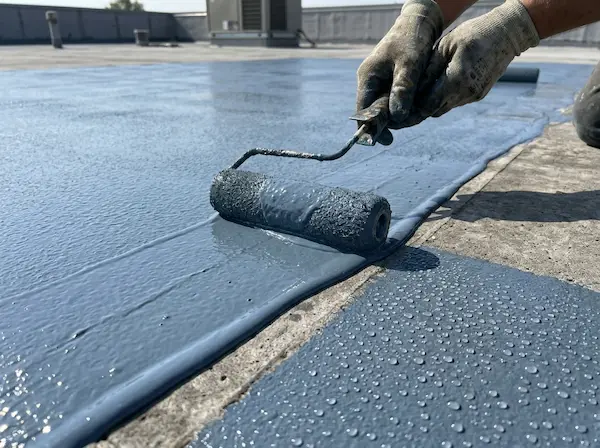
Modern engineering relies on dual-action barrier deployment: internally active crystalline admixtures that react with free lime to seal micro-capillaries, coupled with external polyurethane elastomeric membranes boasting over 400% elongation capacity to withstand dynamic thermal shifts.
3. Quality Assurance & Substrate Moisture Testing
Before barrier application, precise substrate moisture testing (ASTM F2170 / relative humidity probe testing) must confirm that residual vapor emissions remain within tolerable limits, ensuring optimum molecular adhesion.